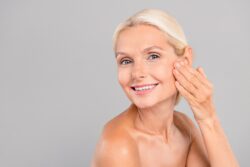
If you are researching facelift surgery in Portland, OR, you likely have a lot of questions, and that is exactly what this page is here to address. Whether you are curious about candidacy, recovery, surgical techniques, or what to realistically expect from results, the information below is designed to give you clear, honest answers. A facelift procedure is a meaningful decision, and understanding the process helps you move forward with confidence. These facelift FAQs cover the topics patients ask about most, from deep plane facelift options to non-surgical alternatives and everything in between. If you would like to discuss your specific situation, contact Bohley Plastic Surgery Center & Medspa at (503) 253-3458.
What Is Facelift Surgery?
Facelift surgery is a surgical procedure that addresses sagging skin, loose skin, and other visible signs of aging in the mid to lower face and neck to restore a more youthful appearance. The procedure works by repositioning and tightening the deeper tissues and underlying tissues of the face, then removing or redistributing excess skin for a smoother, more refreshed result. Unlike non-surgical treatments, a surgical facelift addresses the structural causes of facial aging, not just the surface. Most facelift procedures also incorporate neck lift work to create continuity between the face and neck. The natural aging process gradually weakens the superficial musculoaponeurotic system, or SMAS, which is the muscular layer responsible for supporting facial contours. Facelift surgery targets this layer directly, which is why surgical results tend to be longer-lasting than non-surgical options. Individual results may vary.
How Does a Facelift Procedure Work?
A facelift procedure works by accessing the deeper layers of the face through carefully placed incisions, typically positioned within natural creases around the ears and hairline to minimize visible scars. Once the incisions are made, the plastic surgeon lifts and repositions the facial tissues, tightens the superficial musculoaponeurotic system (SMAS layer), and addresses sagging tissue in the face and neck. Excess skin is trimmed, and the remaining skin is re-draped smoothly over the repositioned structure beneath. Depending on your anatomy and goals, the surgery involves techniques such as the SMAS facelift, deep plane facelift, or mini facelift, each addressing different depths and areas of the face. Complementary procedures such as brow lift or eyelid surgery may also be incorporated into your individualized treatment plan.
What Is a Deep Plane Facelift and How Is It Different?
A deep plane facelift is a more advanced surgical technique that releases and repositions the facial tissues at a deeper level than a standard SMAS facelift. While a traditional SMAS facelift tightens the muscular layer without fully releasing it from underlying attachments, the deep plane facelift works beneath the SMAS to reposition the deeper layers as a single unit. This approach is particularly effective for patients with more significant sagging skin, deep wrinkles, or significant laxity in the mid to lower face. Because it addresses the structural foundation of the aging process more comprehensively, the deep plane technique can produce natural contours with results that tend to be long-lasting. Not every patient requires this level of surgical intervention; candidacy depends on your individual anatomy and goals, which Dr. Bohley evaluates during your facelift consultation.
What Is a Mini Facelift and Who Is It For?
A mini facelift is a less extensive surgical procedure that focuses primarily on the lower face and early signs of aging, using smaller incisions and a more limited dissection than a full facelift. It is generally suited for patients who are experiencing mild to moderate sagging skin and loose skin in the jaw and cheek area, but do not yet need the comprehensive tissue repositioning of a full facelift. The mini facelift involves less surgical disruption, which can translate to a shorter healing process and reduced recovery period compared to more extensive facelift procedures. However, it also produces more limited improvements; it is not a substitute for a full facelift in patients with significant facial laxity. During your consultation, Dr. Bohley will assess your facial tissues and help determine whether a mini facelift or full facelift is the right approach for your goals.
Am I a Good Candidate for a Facelift?
A good candidate for facelift surgery is generally someone in good overall health who has visible signs of aging in the face and neck, such as sagging skin, loose skin, jowling, or deep wrinkles, and has realistic expectations about what surgery can accomplish. Most patients seeking a facelift are in their 40s through 60s, though candidacy is assessed individually based on anatomy, skin quality, and health history rather than age alone. Non-surgical treatments may be more appropriate for patients with very early or mild aging concerns. Candidates should be non-smokers or willing to quit prior to surgery, as smoking significantly impairs the healing process. Certain medical conditions may affect candidacy as well. During your facelift consultation with Dr. Bohley, a thorough evaluation will help determine which surgical technique, or combination of procedures, best aligns with your unique anatomy and goals.
What Results Can I Expect From Facelift Surgery?
Most patients experience a noticeably more youthful appearance following facelift surgery, with improvements in sagging tissue, jowling, loose skin, and the overall contour of the face and neck. The goal is a refreshed, natural-looking result that enhances your features rather than altering your fundamental appearance. It is important to approach facelift surgery with realistic expectations. While the procedure can meaningfully address the visible effects of the natural aging process, it does not stop aging from continuing after surgery. Final results typically become more visible as swelling resolves over the weeks following the procedure. Individual results may vary based on skin type, skin quality, and the specific surgical technique used. Before and after photos from actual patients can help you better understand what outcomes may be possible, and Dr. Bohley will walk you through realistic expectations during your consultation.
How Long Do Facelift Results Last?
Facelift results are long-lasting, with most patients enjoying meaningful improvement for seven to ten years or more, though individual results may vary. The aging process does continue after surgery, but because the procedure repositions the deeper tissues and removes excess skin, patients typically continue to look more youthful than they would have without surgical intervention. Factors such as sun exposure, skin quality, genetics, and lifestyle choices all influence how long results are maintained. Practices such as consistent sun protection, skin care, and healthy habits can help extend the outcome of your procedure. Some patients choose to complement their facelift results over time with non-surgical treatments such as injectables or laser resurfacing to address surface-level changes as they occur. Dr. Bohley can discuss a long-term facial rejuvenation approach during your appointment.
What Should I Expect During the Facelift Healing Process?
The healing process following facelift surgery involves several phases, and understanding each one helps set appropriate expectations. During the first one to two weeks, most patients experience swelling, bruising, and some tightness. Sutures are typically removed within the first week to ten days. Most patients feel comfortable returning to light daily activities within three to four weeks, though strenuous activity should be avoided for at least six weeks. Visible swelling continues to gradually resolve over several months, and final results become more apparent as the healing process completes. The recovery process is individual; some patients heal more quickly than others, depending on overall health, the extent of surgery, and how well post-operative instructions are followed. Dr. Bohley and the team will provide detailed recovery guidance and are available to answer questions throughout your healing journey.
What Anesthesia Is Used During a Facelift?
Facelift surgery is typically performed under general anesthesia or IV sedation, depending on the complexity of the procedure and what is most appropriate for your individual case. At Bohley Plastic Surgery Center & Medspa, a licensed board-certified anesthesiologist performs all general anesthetics at the facility; a meaningful safety distinction that reflects the practice’s commitment to patient well-being. The specific anesthesia approach will be discussed during your facelift consultation, and your comfort and safety throughout the surgical procedure are the highest priorities. The procedure is performed at a state-certified Ambulatory Surgery facility, providing the standards and oversight appropriate for surgical procedures of this nature. Your care team will walk you through what to expect before, during, and after anesthesia so you feel fully prepared on the day of surgery.
Are There Risks or Potential Complications Associated With Facelift Surgery?
As with any surgical procedure, facelift surgery carries potential risks and complications that patients should understand before proceeding. Common concerns include temporary swelling, bruising, and numbness. Less common but more serious potential risks include infection, changes in skin sensation, visible scarring, and asymmetry. Hematoma, a collection of blood beneath the skin, is considered the most common complication following facelift surgery, though it can typically be addressed when identified promptly. Choosing a board-certified plastic surgeon who operates in an accredited surgical facility significantly reduces risk. Dr. Bohley will thoroughly discuss potential risks with you during your consultation so that you can make a fully informed decision. The practice is committed to transparency, and patients are made aware of not just the benefits but also the realistic risks involved in any surgical procedure.
What Is the Difference Between a Facelift and Non-Surgical Alternatives?
A facelift and non-surgical alternatives address facial aging through fundamentally different mechanisms. A surgical facelift repositions and tightens the deeper tissues of the face and neck, removes excess skin, and produces structural changes that non-surgical options cannot replicate. Non-surgical facelifts and non-surgical treatments, such as injectables, laser resurfacing, or energy-based devices, work primarily at the surface level, addressing skin quality, volume loss, or fine lines without altering the underlying tissue structure. Non-surgical options typically require less downtime and involve less surgical intervention, but they also produce more limited improvements and need to be repeated regularly to maintain results. For patients with significant sagging skin or advanced signs of aging, non surgical alternatives may not achieve the degree of improvement they are seeking. Dr. Bohley evaluates each patient individually to recommend the most appropriate approach.
Can a Facelift Be Combined With Other Procedures?
Yes, facelift surgery is frequently combined with complementary procedures to achieve a more comprehensive facial rejuvenation outcome. Common combinations include neck lift surgery to address the face and neck together, brow lift to address sagging in the forehead and brow area, and eyelid surgery (blepharoplasty) to rejuvenate the eye area. Laser resurfacing may also be performed to address skin quality and texture. Combining procedures allows patients to address multiple concerns during a single surgical experience, which can reduce overall recovery time compared to staging procedures separately. Dr. Bohley develops highly individualized treatment plans, and your consultation will include a thorough discussion of which complementary procedures, if any, align with your goals and anatomy. Individual results may vary.
What Is the Role of the SMAS in Facelift Surgery?
The superficial musculoaponeurotic system (SMAS) is the fibromuscular layer beneath the skin of the face that provides structural support to the facial tissues. Over time, the natural aging process causes this layer to weaken and descend, contributing to jowling, sagging tissue, and loss of definition in the mid to lower face and neck. Addressing the superficial musculoaponeurotic system is considered a foundational element of modern facelift surgery; simply tightening the overlying skin without addressing the SMAS tends to produce results that are less natural-looking and shorter-lasting. Techniques such as the SMAS facelift, deep plane facelift, and related approaches each engage this deeper layer in different ways. Dr. Bohley will explain the specific surgical technique recommended for your anatomy during your facelift consultation.
How Much Does a Facelift Cost in Portland, OR?
The cost of facelift surgery varies based on your individual treatment plan, the surgical technique recommended, whether complementary procedures are included, and other factors specific to your case. Facelift cost is not one-size-fits-all; a mini facelift involves different resources than a full facelift or a deep plane facelift combined with additional procedures. At Bohley Plastic Surgery Center & Medspa, pricing is discussed during your personalized facelift consultation, so you receive an accurate estimate based on your goals and recommended approach. Most cosmetic surgery procedures are not covered by insurance, though financing options may be available. We encourage you to reach out with any questions about pricing before or after your consultation. Contact our Portland, OR office at (503) 253-3458 to schedule your appointment.
Why Choose Bohley Plastic Surgery Center & Medspa for Facelift Surgery in Portland, OR?
Bohley Plastic Surgery Center & Medspa offers patients in Portland, OR, and surrounding communities, including Salem, Vancouver, Lake Oswego, Hood River, and The Dalles, access to a double board-certified plastic surgeon with decades of surgical experience. Dr. Michael F. Bohley, M.D., P.C., is certified by both the American Board of Plastic Surgery and the American Board of Surgery, a distinction that reflects a higher standard of training, safety, and accountability. He is also a member of the American Society of Plastic Surgeons and the American Society for Aesthetic Plastic Surgery, and holds current recognition as an Allergan Partner Privileges Gold Member for 2026. The practice’s accredited surgical facility is staffed with a board-certified anesthesiologist for all general anesthetics. Dr. Bohley maintains his clinical skills through 150 hours of continuing medical education every three years. To explore your facelift options, contact us or call (503) 253-3458.
Ready to Schedule a Facelift Consultation?
The questions above cover the general landscape of facelift surgery, but your situation is uniquely your own. A personal facelift consultation with Dr. Bohley is the most important step toward understanding which procedure, technique, and approach is right for you. Dr. Michael F. Bohley, M.D., P.C., is a double board-certified plastic surgeon who brings extensive experience in facial rejuvenation and a commitment to individualized care to every patient he sees. Whether you are exploring a mini facelift, a full facelift, or a combination of complementary procedures, a consultation gives you the clarity and confidence to make an informed decision. Contact Bohley Plastic Surgery Center & Medspa at (503) 253-3458 or reach out online to schedule your appointment in Portland, OR.
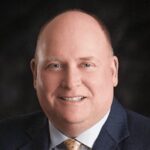
Dr. Michael Bohley is a double board-certified plastic surgeon recognized as one of Portland’s leading experts in body, breast, and facial cosmetic procedures. With years of advanced training and a distinguished surgical career, he combines refined aesthetic judgment with meticulous technique to deliver consistently exceptional results. Renowned for his skill in tummy tucks, liposuction, breast augmentation, and mommy makeovers, Dr. Bohley develops highly individualized treatment plans to meet each patient’s unique goals. He is also recognized as an Allergan Partner Privileges Gold Member for 2026, reflecting his high level of experience and commitment to providing advanced aesthetic treatments. His dedication to patient education, safety, and precision has earned him membership in numerous prestigious professional organizations and the trust of patients throughout the greater Portland area.